




Airbus Defence and Space is highlighting its Bird of Prey counter-drone concept as the company points to the growing challenge posed by low-cost one-way attack drones and the need for more cost-effective air-defense solutions.
In a post on social media, Airbus described Bird of Prey as its response to one-way attack drones, directing attention to the system’s development and a demonstration carried out earlier this year.
The Bird of Prey is based on Airbus’ Do-DT25 target-drone airframe and is being developed as a reusable uncrewed platform capable of detecting and engaging other drones. Airbus said the system is designed to carry different effectors depending on mission requirements and to operate through its Integrated Battle Management System (IBMS).
The company said the approach is intended to address the cost imbalance created when relatively inexpensive one-way attack drones are engaged with significantly more expensive air-defense interceptors.
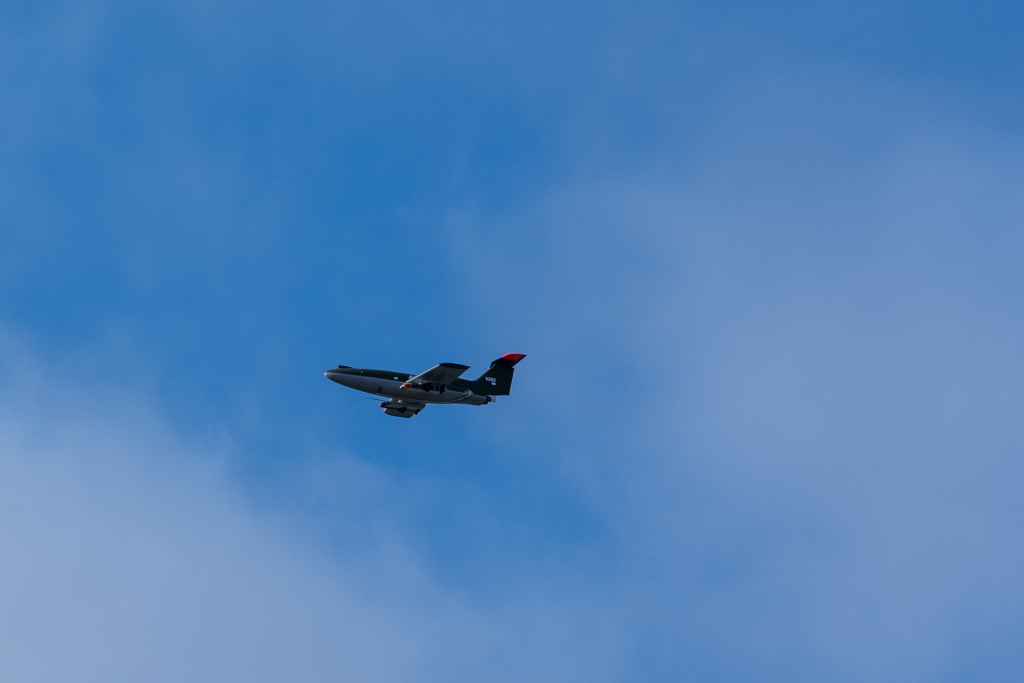 (Airbus)
Bird of Prey: From concept to demonstration
Airbus said Bird of Prey progressed from an initial concept to a demonstration flight in nine months. The demonstration took place in late March 2026 at a military training area in northern Germany.
Successful first demo flight: Airbus’ uncrewed Bird of Prey interceptor autonomously engages kamikaze drone with @FrankenburgTech missile.
The Airbus ‘Bird of Prey’ is designed to seamlessly operate within NATO’s integrated air defence architecture via established command and… pic.twitter.com/u3Yd5K9uSY
— Airbus Defence (@AirbusDefence) March 30, 2026
During the test, the system searched for, detected and classified a medium-sized one-way attack drone before engaging it with a Mark I missile supplied by Frankenburg Technologies.
Airbus said the engagement process was largely autonomous while retaining human involvement. After the system identified the threat, an operator was able to authorize the engagement before the platform proceeded with the interception.
The company said this combination of autonomous functions and human oversight is intended to support rapid responses to incoming threats while keeping an operator involved in the engagement process.
Designed for networked air defense
Bird of Prey is intended to operate within Airbus’ IBMS, which the company says enables integration into NATO’s air-defense architecture.
Airbus also says the system uses European technology and is not subject to U.S. International Traffic in Arms Regulations (ITAR).
The platform is designed to be launched from a catapult and reused, while its modular approach allows different effectors to be selected according to the mission. Airbus said these characteristics are intended to help keep the cost per engagement low.
Further trials planned
Airbus said it plans additional live trials during 2026 as it continues to develop Bird of Prey for potential customers.
The company’s latest social media post highlights the system amid a broader shift toward countermeasures designed to address the increasing use of low-cost one-way attack drones.
Rather than presenting Bird of Prey as a newly launched product, Airbus is using the latest communication to draw attention to the system’s development, its March demonstration and its intended role as a reusable and networked counter-drone capability.