Saab UK, Aquark Technologies and the Royal Navy have demonstrated a distributed Giraffe 1X radar network operating without GPS timing, testing a potential alternative for maintaining sensor synchronization when satellite-based timing is disrupted or unavailable.
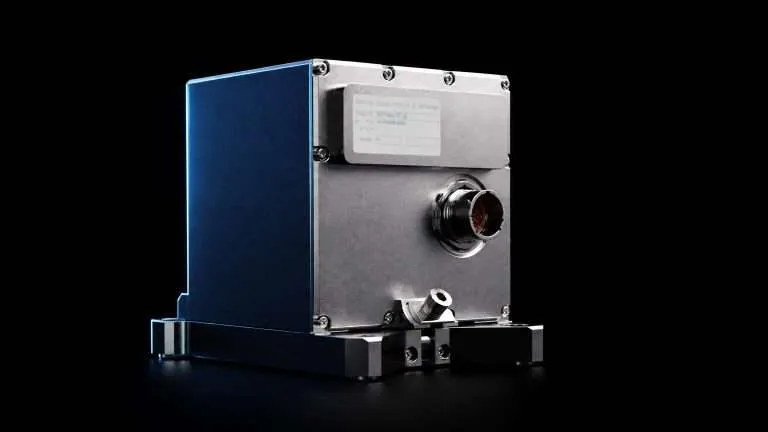
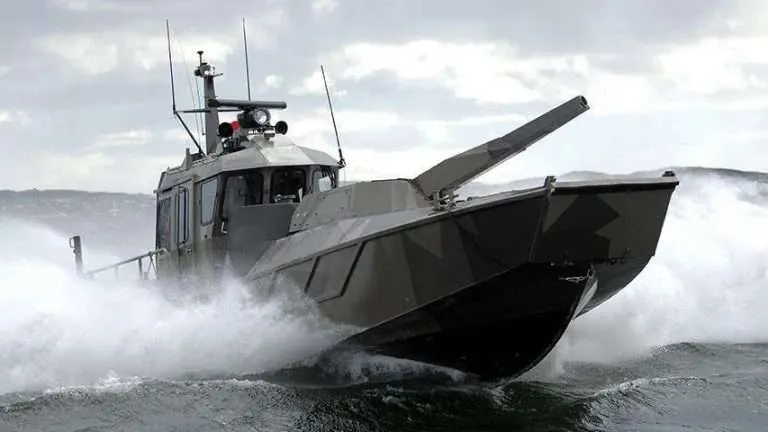
The trial, conducted with the Royal Navy’s Disruptive Capabilities and Technologies Office, combined Saab’s Giraffe 1X radar with Aquark’s AQlock quantum timing technology. QinetiQ also participated in the work.
During the demonstration, multiple Giraffe 1X radars at separate locations tracked live targets while using independent AQlock timing sources. The test team then introduced controlled timing errors to simulate Global Navigation Satellite System spoofing and denial.
According to Saab, the radars continued to produce a single combined air picture without relying on GNSS timing. The trial also demonstrated predictable degradation when timing was disrupted and rapid recovery after synchronization was restored.
Distributed radar networks rely on precise timing to combine information from multiple sensors into a coherent picture of the airspace. GPS and other GNSS services are commonly used as external timing references, but their signals can be vulnerable to jamming, spoofing or other forms of disruption.
The quantum timing technology tested in the trial is intended to provide an alternative reference that can maintain accurate time without depending on GPS or another external signal.
Saab said the demonstration is believed to be the first involving a distributed high-performance military radar network maintaining a coherent operational picture using independent quantum timing sources.
“This trial is a great example of how collaboration can accelerate innovation,” Andy Fraser, group managing director at Saab UK, said in a statement. “By combining quantum timing technology with Saab’s advanced Giraffe 1X radar system, we have demonstrated a practical capability that could help customers continue to operate effectively when it matters most.”
The companies and the Royal Navy are continuing to examine radar and timing technologies for military operations in environments where access to satellite navigation and timing services may be compromised.